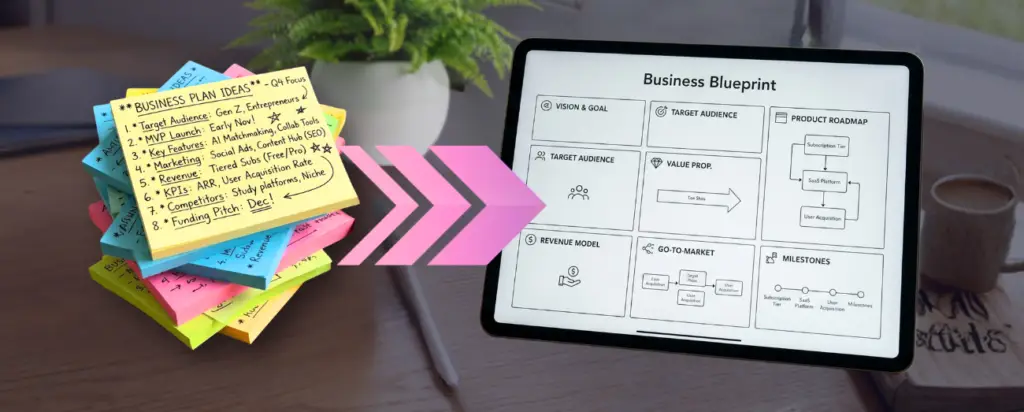
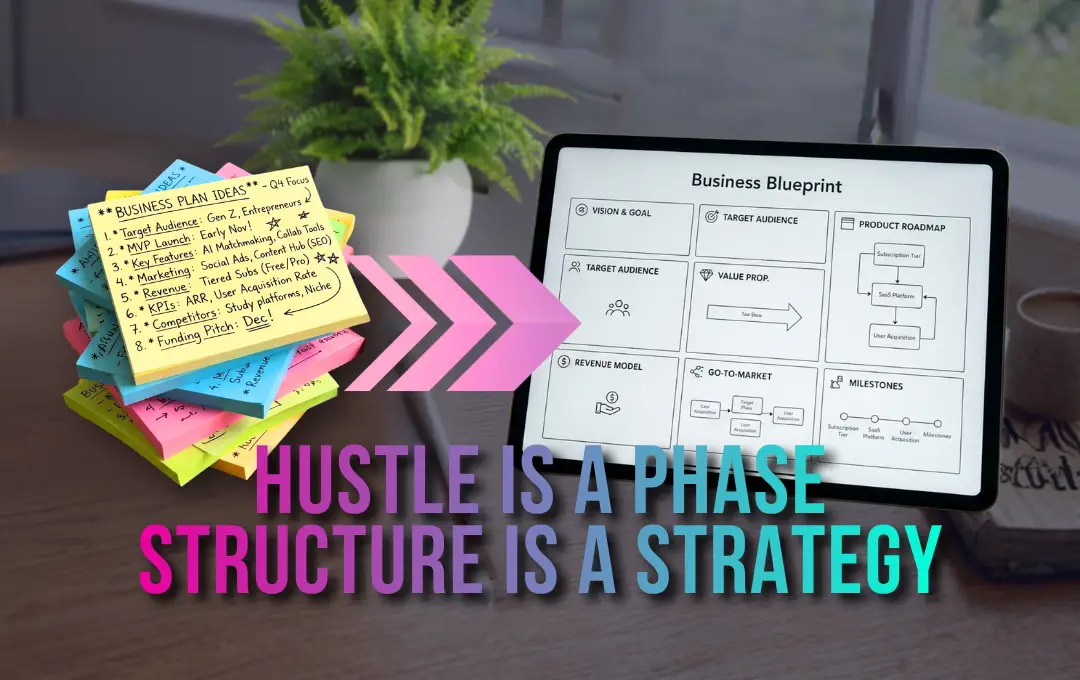
There’s a moment in every growing business when hustle stops working.
Not gradually. Suddenly.
One day the founder realizes they’ve spent the entire week coordinating instead of leading. Every decision still routes back to them. Every project slows down when they’re unavailable. Every team member is waiting for something.
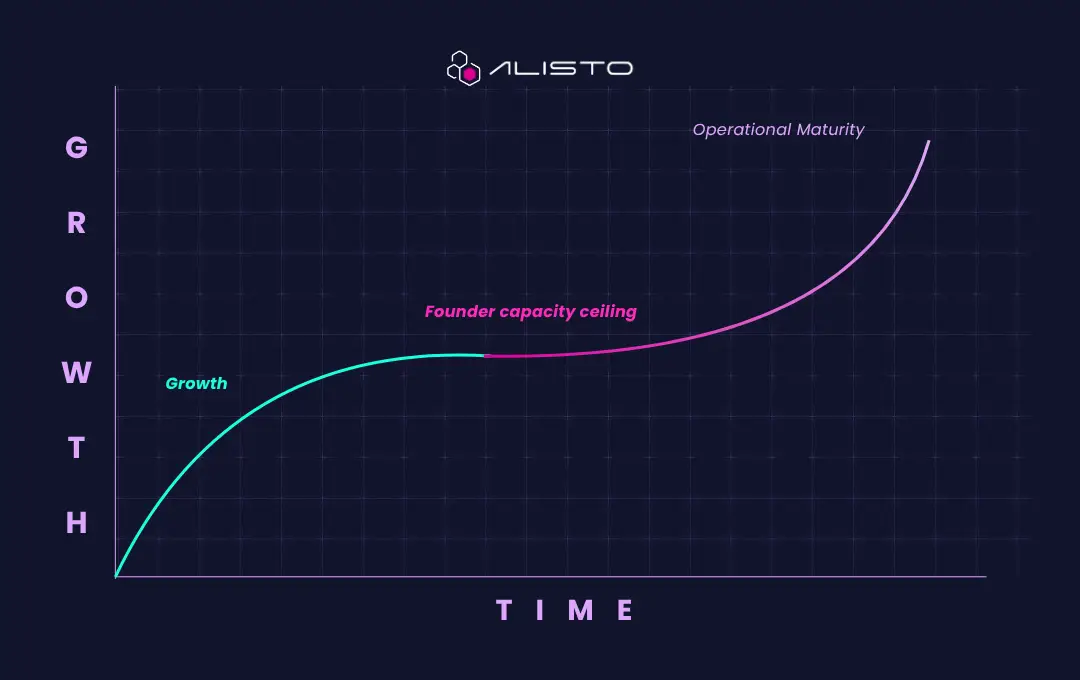
The business didn’t break. It outgrew its structure.
That’s the moment operational maturity becomes necessary.
- Early-stage businesses run on founder responsiveness — and it works, until it doesn’t
- As the company grows, communication and coordination multiply faster than one person can handle
- Without systems, the founder becomes the operational bottleneck
- Operational maturity requires workflows, delegation structures, and support roles
- Systems allow the business to scale without exhausting the founder
Picture a founder in the early stage of building a company.
They answer client emails directly. They coordinate projects personally. They keep track of everything in their head.
This works surprisingly well when there are only a few clients and a small team. The founder’s responsiveness is genuinely valuable. Clients feel supported. Problems get solved fast.
But growth changes the equation.
More clients mean more communication. More projects mean more moving parts. And eventually the founder finds themselves spending most of the day coordinating work rather than leading the business.
That’s the moment hustle stops being an advantage. And structure becomes the only thing that actually works.
The Early Stage Hustle Phase
In the beginning, most businesses run on founder availability.
The founder responds instantly. Solves problems as they appear. Makes every call. Keeps every conversation moving.
This feels like a competitive advantage — and early on, it genuinely is. Clients appreciate the access. The team gets immediate guidance. Decisions happen fast.
But this approach relies on something fragile: constant founder availability.
When the founder is the center of every decision, communication, and coordination point, the business only functions as long as the founder can personally keep up. At a small scale, that’s manageable. At a larger scale, it becomes the thing that stops growth cold.
The Growth Bottleneck
As the business grows, complexity multiplies faster than most founders expect.
Tasks multiply. Communication expands. More people need information. More clients need responses. More decisions need to be made.
Without structure, everything continues flowing toward the founder.
Project questions. Client communication. Scheduling. Coordination. Small decisions that require clarification.
Individually these issues are manageable. Collectively they create a constant stream of interruptions that consumes the entire workday. The founder becomes the operational hub of the company — and the business can only move as fast as one person’s attention.
For neurodivergent founders, this stage hits especially hard. Every question that routes back to you isn’t just a task — it’s a context switch. And context switches compound. By the time the day is done, the strategic work that actually moves the business forward never happened.
Installing Operational Structure
Operational maturity means shifting from hustle to systems.
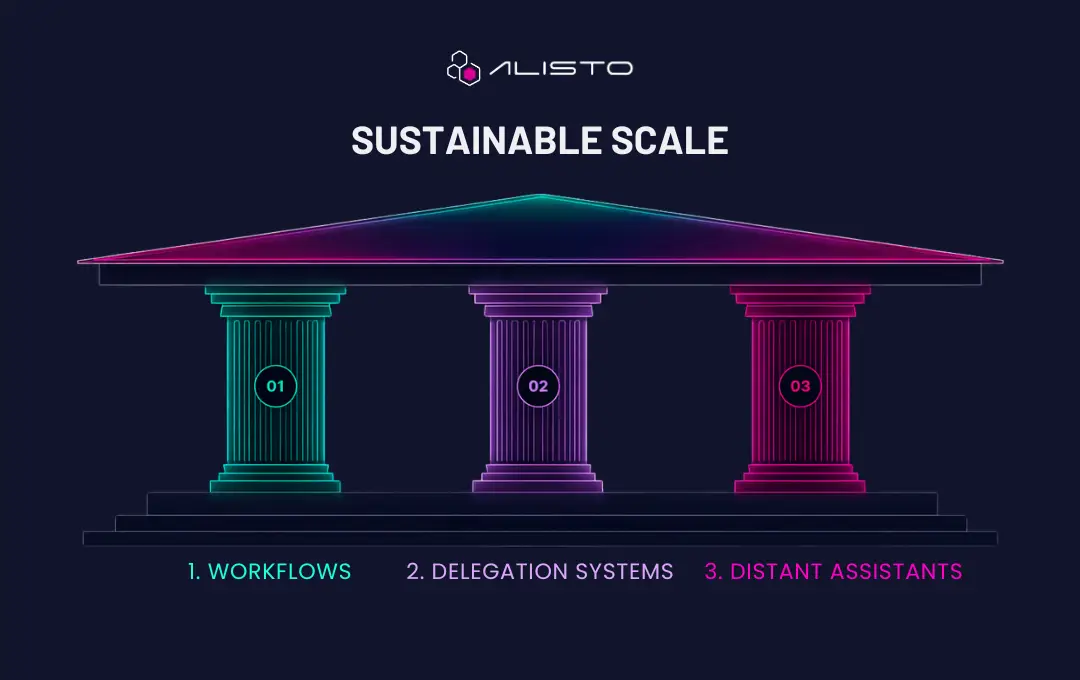
Instead of relying on constant founder involvement, the business installs structures that define how work happens without them. Three systems matter most.
Workflows. Workflows define how tasks move through the organization. Request received → assigned to owner → progress tracked → delivered to client. When workflows exist, the team knows what happens next. They don’t need to ask the founder for direction at every step. The answer already exists — in the system.
Delegation systems. Delegation becomes sustainable when responsibilities are clearly defined. Who owns tasks. Who makes routine decisions. When escalation is appropriate. When these boundaries exist, work moves forward without constant supervision. When they don’t, everything climbs back up to the founder.
Distant Assistants. As operational complexity grows, someone must maintain the systems. A Distant Assistant filters communication, coordinates tasks, manages workflows, and routes requests to the correct person. Instead of the founder coordinating everything, the system does — and the assistant makes sure the system holds.
What Operational Maturity Actually Feels Like
When systems exist, the business starts to feel different.
The founder stops being the operational center. Communication flows through defined channels. Tasks move through documented workflows. Questions get resolved by the team — not escalated upward.
Instead of reacting to operational noise all day, the founder focuses on the work that actually drives growth. Strategy. Partnerships. Creative problem-solving. System design.
Operational maturity doesn’t slow a business down. It’s what makes sustained growth possible without burning the founder out in the process.
Quick Diagnostic
- Do most operational questions come directly to you?
- Do team members regularly ask for clarification before moving forward?
- Do projects slow down when you’re unavailable?
- Does your day fill with coordination instead of leadership work?
If several of these land — your business has outgrown its current structure. The hustle phase is over. Systems are what come next.
Final Insight
Every growing business faces the same transition.
Hustle works in the beginning. It just doesn’t scale.
Operational maturity is the moment the business stops depending on the founder’s constant attention — and starts running on structure instead.
That shift doesn’t happen by accident. It gets built.
If your business is growing faster than your operational systems, it’s time to install the structure that supports sustainable scale.
Alisto Implementation Support builds the workflows, delegation systems, and operational boundaries that allow your business to grow without the founder in the middle of everything.